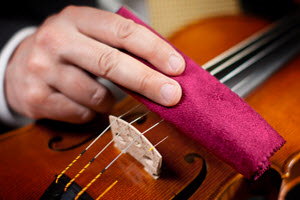
Mark Drobinsky und Laubach-Instrumente
Das Kammerorchester „Russian Camerata“ und der „Violoncello-Dämon“ Mark Drobinsky.
Nach der Rückkehr von einer glanzvollen Europatournee gab das Gouverneurs-Kammerorchester der Philharmonie Twer „Russian Camerata“ unter der Leitung von Andrey Kruzhkov am 26. März ein Konzert unter Mitwirkung des herausragenden Cellisten Maestro Mark Drobinsky (Frankreich).
Eine langjährige Freundschaft verbindet uns mit den Musikern des Orchesters, von denen viele unsere Stammkunden sind. Besondere Liebe und Anerkennung gewannen die Laubach-Instrumente und Bögen; fast alle Streicher des Orchesters verwenden das Laubach Gold-Kolophonium. Fast die gesamte Gruppe der ersten Violinen spielt auf Laubach LIM 918 V Solisten-Violinen.
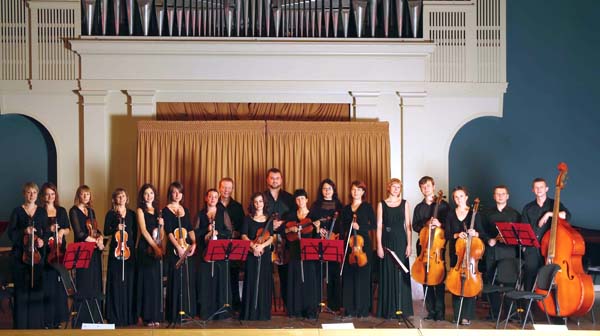
Das Gouverneurs-Kammerorchester der Philharmonie Twer „Russian Camerata“
Kurz vor der Europatournee erhielt die Konzertmeisterin des Orchesters, Elena Cherkashina, ihre Violine. Elena hatte lange auf dieses Instrument gewartet; speziell für sie baute der Meister Laubach ein prächtiges Instrument, das in seinen objektiven Eigenschaften mit den besten italienischen Violinen vergleichbar ist.
Die Tournee durch Belgien, Italien, die Schweiz und Polen war ein voller Erfolg. In seinem Fernsehinterview gab der künstlerische Leiter Andrey Kruzhkov einen Bericht über die Tournee ab.
Interview mit dem künstlerischen Leiter Andrey Kruzhkov
Nach langjähriger Tradition trat Maestro Mark Drobinsky, der als wahrer „Violoncello-Dämon“ bezeichnet wird, in der Schweiz sowohl mit dem Orchester als auch im Duo mit der ersten Violine Elena Cherkashina auf.
Am 26. März fand in Twer im Rahmen des XXII. Internationalen Bach-Musikfestivals ein Konzert von Mark Drobinsky und dem Kammerorchester „Russian Camerata“ statt. Für mich war es sehr wichtig, dieses Konzert zu besuchen, das Orchester im prächtigen Saal der Philharmonie Twer zu hören und vor allem unsere Instrumente zu erleben, um eigene Eindrücke zu sammeln. Daher vereinbarten wir vorab ein Treffen mit Drobinsky und besuchten die Proben. Es war mir ein großes Anliegen, dem hervorragenden Musiker ein Laubach LIM 918 C Solisten-Cello (Modell Montagnana) zur Begutachtung vorzulegen – das Urteil eines Virtuosen der alten Schule, der Schüler von Mstislav Rostropovich war und mit den bedeutendsten Musikern unserer Zeit wie Martha Argerich, Mischa Maisky und vielen anderen zusammengespielt hat.
Wir reisten zusammen mit Anastasia Cherkashina nach Twer, einer wunderbaren Cellistin und Studentin am Ural-Konservatorium, Schülerin von Professor Sergey Fedorovich Peshkov. Seit über einem halben Jahr spielt Anastasia auf einem Laubach-Cello Modell Montagnana LIM 918 C Soloist. Wir besuchten Mark Drobinsky in seiner Garderobe. Mark sagte, er freue sich sehr über unser Treffen, da er die Auftritte mit der „Russian Camerata“ sehr schätze. Er betonte, dass das Orchester mit den neuen Laubach-Instrumenten ausdrucksstärker geworden sei – insbesondere die ersten Violinen klangen außergewöhnlich ausgeglichen. Er wandte sich galant an Anastasia:
„Ich habe von den Orchestermitgliedern und dem künstlerischen Leiter gehört, dass Sie eine wunderbare Musikerin sind. Da Sie bei Professor Peshkov studieren, möchte ich unser Treffen nicht als 'Meisterkurs' betrachten, sondern als Erfahrungsaustausch zwischen zwei Profis.“
In der Probenpause traf ich die Orchestermitglieder. Alle Musiker der ersten Geigen waren sehr zufrieden mit den Laubach-Violinen. Die reaktionsschnellen, leicht zu kontrollierenden Geigen und Bögen gaben den Musikern einen neuen Impuls. Ein bekannter italienischer Dirigent bemerkte, dass die Gruppe der ersten Violinen die besten Orchester, wie die Mailänder Scala, schmücken könnte.
Nach der Pause nahm Mark Drobinsky an der Probe teil. Drobinsky war so entspannt auf der Bühne, dass er einen großartigen Ton angab. Ich wusste, dass Mark eine verletzte rechte Hand hatte, aber von außen war davon nichts zu merken. Er scherzte gelegentlich, zum Beispiel: „Na schau mal einer an – getroffen!“, als würde er sich selbst überraschen.
Am nächsten Morgen trafen wir uns erneut. Anastasia brachte ihr Laubach-Cello (LIM 918 C Montagnana) mit, und ich bereitete neue Laubach-Violinen vor: LIM 818 V, LIM 888 V und LIM 898 V. Ich brachte auch Geschenke mit: Laubach Gold-Kolophonium für Cello, Pflegemittel und die neuen Evah Pirazzi Gold Cellosaiten von Pirastro.
Mark untersuchte die Laubach-Violinen eingehend. Ihm gefielen besonders die „antiken“ Modelle mit ihrer speziellen Lackierung. Er bemerkte, dass er selbst ein italienisches Cello aus den 1970er Jahren besitzt, das ebenfalls eine Antik-Imitation ist. Mark lobte die sorgfältige Arbeit und den schönen Lack.
„Nun schauen wir uns Ihr Cello an; eigentlich mag ich deutsche Instrumente nicht besonders“, sagte Drobinsky.
Anastasia und Mark analysierten Fragmente von Bach und Boccherini. Sie verstanden sich ohne viele Worte. Schließlich fragte ich Drobinsky, ob ihm das Laubach-Instrument gefalle. Er antwortete, dass es ihm sehr gut gefalle – ein starkes, brillantes und reaktionsschnelles Instrument, das zweifellos für Solisten auf höchstem Niveau interessant sei.
Ich überreichte die Geschenke. Beim Anblick des Kolophoniums fragte er:
„Ist da wirklich echtes Gold drin?“
„Ja, das Gold ist echt.“
„Das ist ja großartig! Wenn ich pleitegehe, kann ich das Gold herausholen“, scherzte Drobinsky.
Das Konzert war ein voller Erfolg. Die ersten Violinen bestachen durch ihren Unisono-Klang. Mark Drobinskys Darbietung war voller Wärme und Freude, was das gesamte Publikum verzauberte.
Einige Tage später rief er an, um sich nochmals für die Pflegemittel und das Laubach-Kolophonium zu bedanken: „Pavel, ich habe Ihr Wundermittel ausprobiert – mein Cello sieht hundert Jahre jünger aus! Und das Kolophonium ist sehr gut, obwohl immer noch Staub fällt; ich dachte, es gäbe gar keinen“, fügte er mit einem weiteren Scherz hinzu.
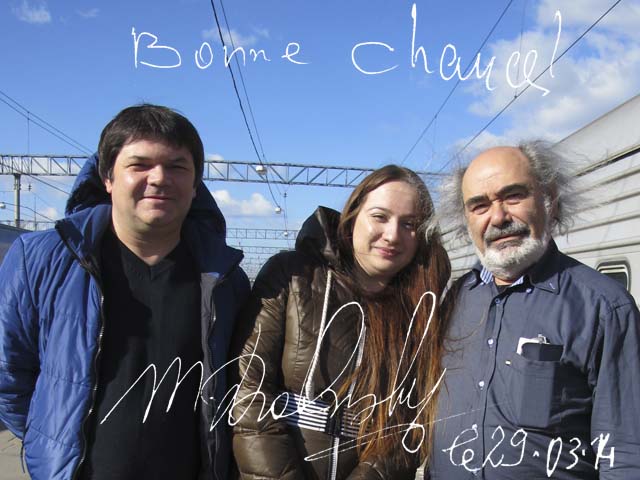
02.04.2014. Pavel Dudenkov.