
Klassifizierung und Verwendungszweck von Violinen
Violinen-ABC. Attribution der Violine. Bestimmung
Auf die eine oder andere Weise klassifizieren wir Violinen nach ihrem Verwendungszweck. In erster Linie würde ich sie in zwei Kategorien einteilen: Solo- oder Orchesterviolinen.
Die Aufgabe einer Solovioline in der klassischen Musiktradition ist es, die Solostimme gegenüber dem Orchester hervorzuheben. Eine solche Geige muss eine sehr brillante Stimme, große Klangkraft, hervorragende Dynamik, ein reiches Timbre und eine hohe Tragfähigkeit besitzen.
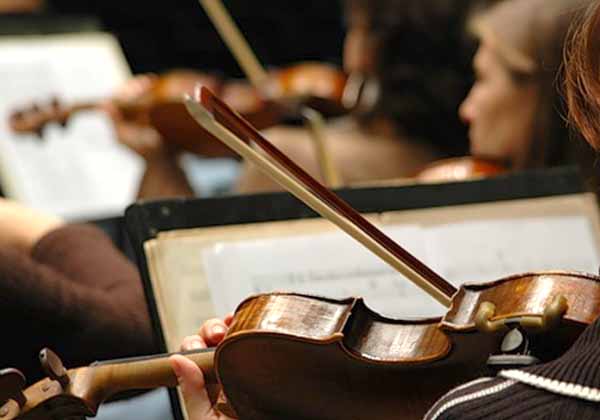
Die Aufgabe einer Orchesterviolone ist es, sich gleichmäßig und harmonisch in den Gesamtklang einzufügen, ohne herauszustechen. Diese Aufgabe ist nicht weniger anspruchsvoll, daher mindert die Bezeichnung „Orchestergeige“ den Wert des Instruments keineswegs. Vielmehr ist es ein funktionales Merkmal bei der Besetzung eines Orchesters.
Oft werden Streichinstrumente als professionell, Studenteninstrumente oder Schülerinstrumente qualifiziert. Angesichts der Realitäten einer ernsthaften musikalischen Ausbildung halte ich dies für eine List der Verkäufer. Als „Studentengeigen“ werden oft Instrumente bezeichnet, die für ein kurzes und ruhmloses Leben bestimmt sind. Sie eignen sich für den allgemeinen Musikunterricht an Regelschulen, aber für einen professionellen Weg benötigt der Musiker von Anfang an ein Instrument, das professionellen Anforderungen entspricht.
Die Bezeichnung „Studentengeige“ klingt oft paradox, besonders wenn sich dahinter der Begriff Konservatorium Violine verbirgt. Man sollte wissen, dass ein „Konservatorium“ im Westen oft eine weiterführende Schule bedeutet. Die Aufschrift KONSERVATORIUM VIOLIN auf alten deutschen Manufakturgeigen ist kein Zeichen für Exzellenz, sondern ein direkter Hinweis darauf, dass es sich um eine gewöhnliche SCHÜLERGEIGE von mittelmäßiger Qualität handelt.