
Das Geigen-ABC. Berühmte Violinen.
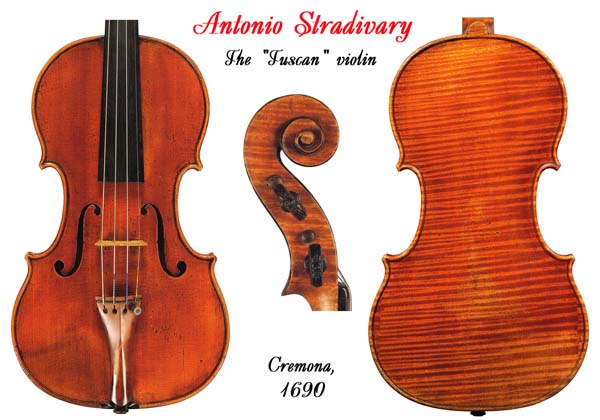
Attribution der Violine. Der Name oder die Identität der Violine
Die moderne Violine wurde bereits im 16. Jahrhundert entwickelt. Seitdem haben weltweit mehr als 12.000 Geigenbauer Instrumente erschaffen. In erster Linie werden Violinen durch den Namen ihres Erbauers identifiziert. Doch einige Instrumente erlangen aufgrund ihrer außergewöhnlichen Qualität und ihrer Geschichte eigene Eigennamen — meist benannt nach den weltberühmten Musikern, in deren Besitz sie sich befanden.
Im berühmten Album der Instrumente von Antonio Stradivari trägt fast jedes der 148 gezeigten Instrumente einen eigenen Namen. Jeder dieser Namen steht für eine bewegte und interessante Geschichte.
Bei namenlosen Instrumenten behilft man sich oft mit der Herkunft: „alter Italiener“, „alter Franzose“, „alter Deutscher“ oder „tschechische Meistergeige“. Wenn ein so wichtiges Attribut wie der Name des Meisters fehlt, kann dies den Marktwert des Instruments mindern. In solchen Fällen wird der Wert ausschließlich durch die handwerkliche Qualität, den Klang und den Erhaltungszustand bestimmt.
Weiter zum nächsten Attribut — Die Bestimmung der Violine